Lantern Series
Exploring softness, structure, and diffused light

Introduction
This project explores a set of physical lanterns developed through an iterative, material-driven process. Beginning with an interest in soft, diffused light, I experimented with layering lace over structural frames to create delicate forms that transform illumination into a tactile and atmospheric experience.
Through sketching, metal studies, 3D-printed studies, and full-scale prototypes, the project evolved as a continuous exploration of structure, connection, and material behavior.
Each iteration informed the next, resulting in a family of lanterns that vary in scale and function — from night light to table lamp — while maintaining a consistent visual and structural language.
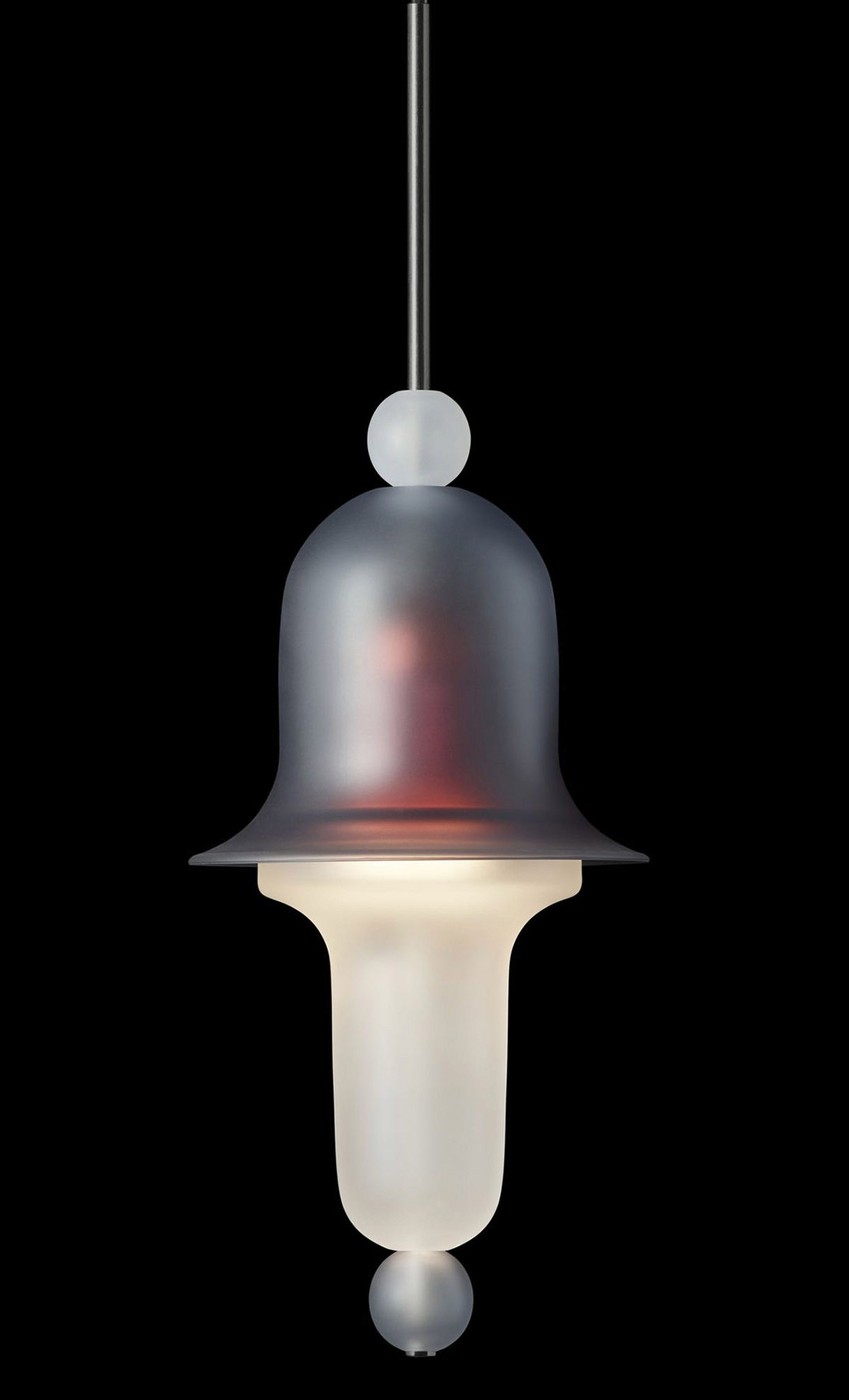
Inspirations & initial sketches
Beginning with loose studies of silhouette and proportion, each version investigates how light can be diffused, framed, and softened by delicate yet intentional structures, while maintaining a consistent visual language rooted in translucency, curvature, and ornamentation.




Concept
For this series, I aimed to design a family of elegant lamps defined by shared geometries. Each piece is distinct in scale and function, yet unified to work together as a cohesive set, creating a consistent visual language within the spaces they inhabit.


Iterations & prototyping
Process overview
This project evolved through iterative prototyping, beginning with small-scale studies and transitioning into digital modeling to achieve greater precision and consistency across the series.
Metal small-scale model
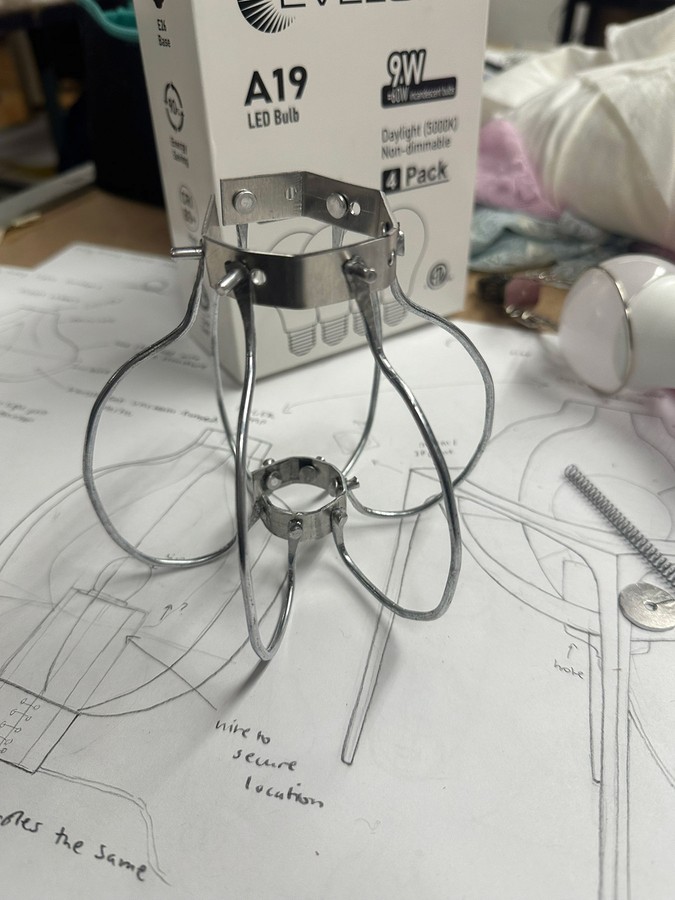
Early physical models were constructed in metal to explore structure and proportion. While informative, this approach proved too time-intensive and restrictive for continued iteration.
3D modeling
I transitioned to 3D-modeling to develop the lampshade frames more efficiently, allowing for greater control over form, consistency, and structural accuracy.
Printing
Through extensive testing and print fails, the fabrication strategy shifted toward modular construction. Larger forms were divided into interlocking components, printed individually, and assembled to produce stable final structures.




Lace, light & metal
Lace & nylon layering
With the frame established, I introduced an off-white nylon underlayer to soften and diffuse the light, compensating for the transparency of the lace. The nylon was adhered directly to the frame, with lace panels layered on top across each segment of the form.
Vacuum-formed light housings
Two PETG bowl forms were vacuum-formed for the lighting components: one for the night light and one for the table lamp. A Masonite template with precisely cut circular openings was used to define the form, while manual guidance during the vacuum-forming process ensured accurate depth and proportion.
Metal base fabrication
Aluminum was selected to balance elegance with a clean, contemporary aesthetic. Laser-cut patterns in 14-gauge aluminum were developed and refined into custom-fit bases for the light bulbs.

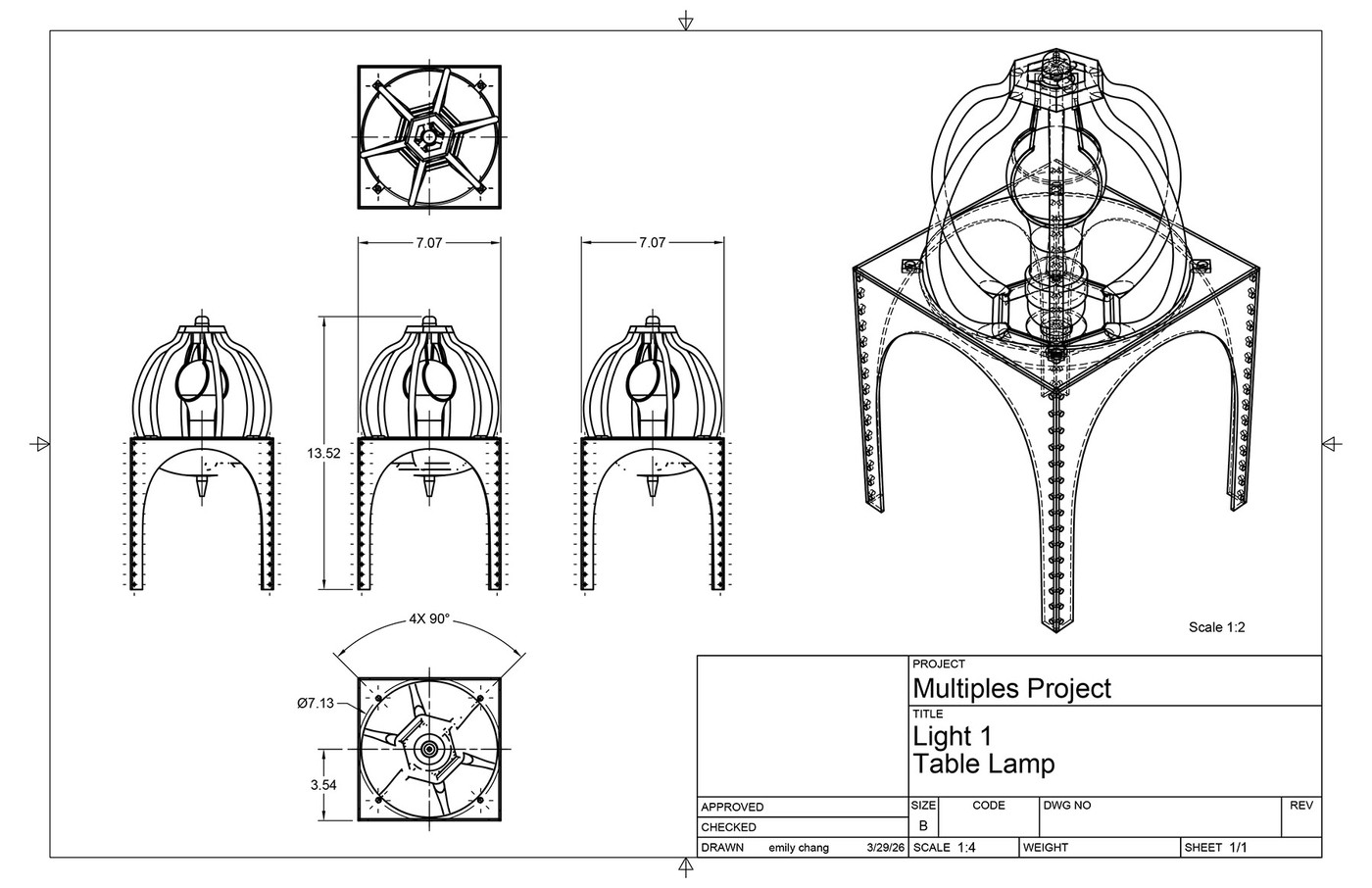
Orthographics


Final products
A night light, a table lamp, and a lantern — three scales, one family.


